Fentanyl Decontamination
After fentanyl exposure, decontamination addresses rooms, vehicles and other surfaces.
See fentanyl decontaminationGet meth residue testing, decontamination, material removal and clearance steps for a home, rental, business or vehicle in Hampshire Hills. Keep people out of affected areas until the property has been assessed.
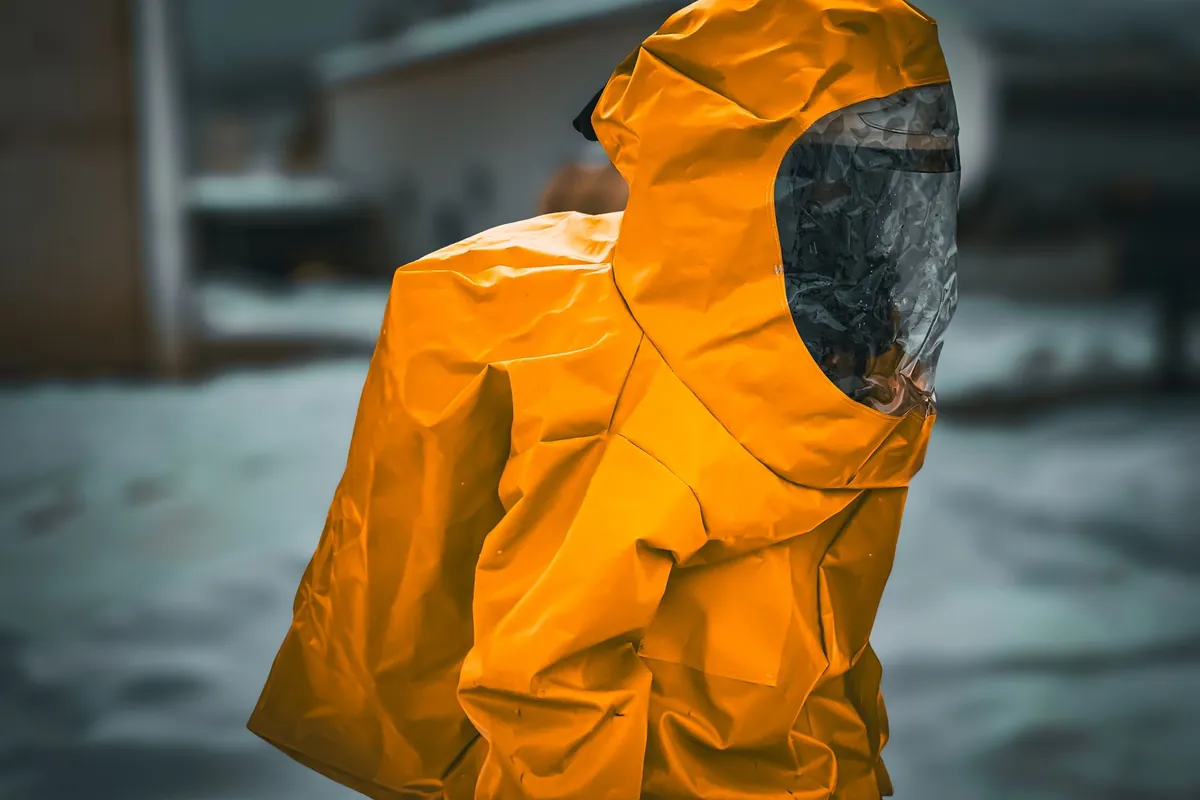
Meth lab cleanup involves testing a contaminated home, vehicle, rental or business, taking out affected materials and cleaning residue from methamphetamine or chemicals used to produce drugs.
A clean appearance does not rule out contamination. Smoke produced by meth use can leave residue on floors, personal property, cabinets, walls, appliances and ceilings. Acids, fuels, unknown chemical mixtures, salts and solvents can be found at a production location. A careful assessment of these hazards must happen before ordinary cleaning starts or anyone shifts a container.
Testing findings and the requirements that apply at the property's location should guide biohazard remediation. Technicians establish isolation around affected spaces and wear protective equipment. They discard items that are not cleanable, clean the surfaces that remain and treat the air system if necessary. Sampling after remediation determines if tested spaces satisfy the applicable clearance level.
Work zones and clean paths limit the movement of dust, tools and contaminated materials through the rest of your property.
Before remediation, you should receive a written plan covering clearance steps, cleaning methods, affected areas, removal decisions and the basis for testing.
A cleaning service should keep photos, scope notes, disposal documents and test reports together, so you have a clear record and can move forward after clearance.
An item-by-item assessment of materials and physical condition identifies belongings that might be cleaned and those that may need discarding.
Testing or a trustworthy property history may indicate contamination caused by meth production or use. In that case, the property needs meth decontamination cleaning services. Its history and test findings guide each situation. Examples include:
Vehicle residue may affect the seats, carpeting, vent surfaces and trim in a truck, car or recreational vehicle.
After a renter moves out, a landlord or property manager discovers possible drug activity and needs tests completed before repairs or another tenancy.
Contractors uncover suspicious containers, chemical staining or a past notice and stop work before dust spreads to clean areas.
Unseen residue from repeated smoking remains on household contents, cabinets, ceilings, floors and walls.
Your first job is to prevent exposure and keep residue from moving. Take these steps before professional cleanup begins:
Call (888) 440-9227According to published PushLeads cost data, the broad range for meth lab cleanup begins at $5,000 and extends through $120,000 while the typical average sits between $15,000 and $20,000. Such a wide span reflects the difference between ongoing smoking in one space and chemical manufacture across the property. Local clearance rules, testing, air-system treatment and material removal further shape the final scope.
The figures shown are national ranges from published cost guides and are not based on an on-site visit. An on-site assessment determines your property's price, which is explained to you before the cleanup starts.
Ask about cost: (888) 440-9227Coverage for meth contamination depends on both the cause and insurance policy, which may exclude pollution, vacancy, criminal acts or contamination. Report what was found and ask about available insurance assistance. Before approving work that is not an emergency, request the coverage decision in written form.
Tell the insurance company how the contamination was discovered. Check whether your policy covers sampling, cleanup, construction material removal and loss of use.
Law enforcement may secure evidence and release the scene, but the property owner generally must arrange environmental testing and remediation afterward.
Maintain a single file containing the police release, test results, images, remediation scope, disposal paperwork, invoices and clearance report.
Property owners often arrange assessment and cleanup for a rental. You must address property safety separately from trying to collect expenses from a tenant.
The meth lab cleaning process follows a measured sequence. Every step should match the property assessment, the testing plan and the clearance rules that apply where the property is located.
Ask how cleanup technicians will assess the property history, police release, visible hazards, room layout, ventilation and possible routes of contamination before work starts.
Sampling surfaces helps locate affected areas and set an initial benchmark. Choose collection methods and test locations according to the protocol that applies locally.
A documented scope lists containment needs, materials marked for removal, surfaces requiring cleaning, plans for belongings and final clearance procedures.
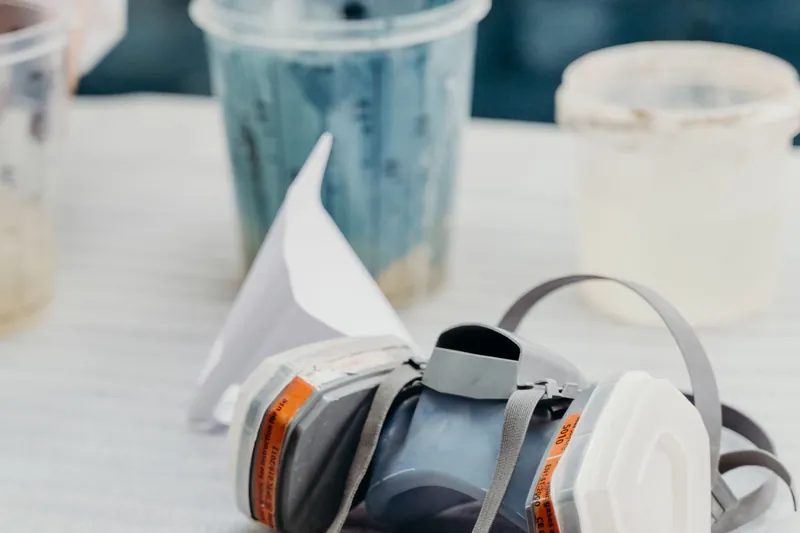
The work area is separated from clean rooms. Protective gear for cleanup technicians must match the dust, chemical risks and residue discovered at the property.
Items that cannot meet the necessary standard after cleaning, such as carpet, underlay, insulation, upholstered furnishings and harmed building materials, may be taken out for waste disposal.
The surfaces left in place, including fixtures, cabinets, flooring, walls and ceilings, receive appropriate cleaning in a planned order.
Separate assessments cover portable possessions and building ventilation. Test results and condition determine whether belongings need cleaning, separation or disposal.
Final sampling follows completed cleaning and determines if the property needs more work before people return.
Call any hour. You speak with a meth lab cleanup specialist who outlines the process and schedules a start time with you.
A former meth property can present serious health risks through contaminated dust, direct skin contact or chemicals left behind from production, even when no strong odor is present.
Contamination may collect on flooring, counters, toys, walls and other items people touch often. You cannot determine clearance compliance from a surface's appearance alone.
Children and animals touch floors and objects often. While you wait for cleanup and test results, keep children and animals outside the affected area to reduce contact.
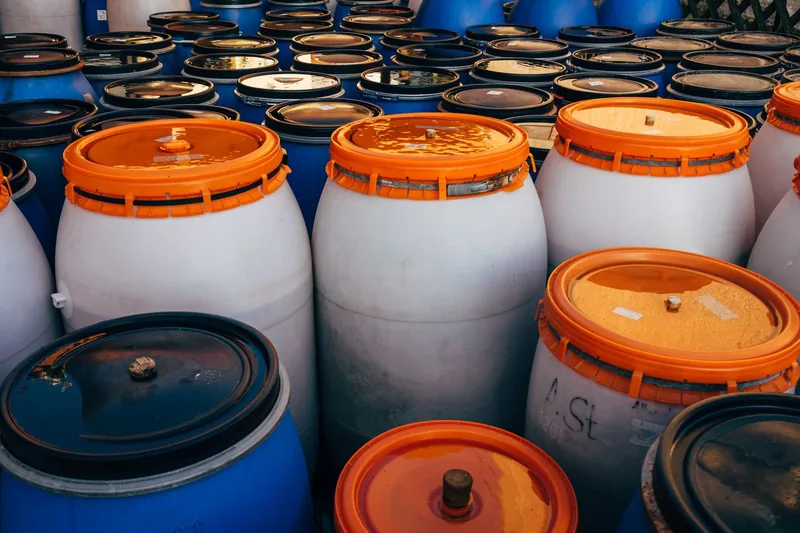
Unlabeled containers, powders and liquids may be corrosive, flammable or reactive. Keep them closed, never smell or mix them, and keep them out of ordinary trash.
Can you clean it yourself? Do not respond to possible meth residue as you would to a routine household spill. You cannot use domestic cleaners to measure residue movement or verify that a surface passes the local clearance standard. Begin more safely with testing and a remediation plan designed for meth.
A material can remain only if the remediation plan permits cleaning it and the completed space is able to pass its required clearance process.
Your applicable regulations and clearance level depend on the state and locality. Confirm which standard applies with the appropriate environmental, health or building authority ahead of cleanup.
Testing plans, lab methods and clearance records may have to comply with locally established procedures. Keep records because owners, buyers, tenants or officials may request them.
Do not automatically place unknown chemicals or contaminated debris in household trash. Waste classification and disposal depend on what is found and local rules.
Needles or other infectious waste found with drug materials need separate handling. (North Carolina treats soaked materials from a biohazard scene as medical waste. Rules from the state Department of Environmental Quality's Solid Waste Section control how it is packaged, stored, transported and treated, so it cannot go in household trash.)
Meth lab cleanup can take several workdays for a limited area and several weeks for a larger production site. Testing turnaround, material removal, repeated cleaning and clearance sampling control the schedule more than room count alone.
The full meth lab cleanup guide covers what is cleaned or removed, odor and air quality work, and the rules that apply in your state.
Read the full meth lab cleanup guideLocal housing, population and access details can shape containment, access and cleanup planning.
Knowing that Novant Health Mint Hill Medical Center is about 0.8 miles away helps households plan where to seek care before arranging scene cleanup.
Hampshire Hills is near Candlewood, Green Meadows, and Devonshire, which can matter when family members are arriving from surrounding communities.
Neighborhood level directions help narrow the location, but crews still need entrance details before bringing containment and cleaning equipment inside.
Clear location details prevent confusion between neighboring communities when specialized cleaning is needed for a drug-related property concern.
Your phone conversation can include questions about service in nearby ZIP codes and communities.
After fentanyl exposure, decontamination addresses rooms, vehicles and other surfaces.
See fentanyl decontamination
Rental spaces and properties are cleared of needles, pipes and residue from drugs.
See drug paraphernalia cleanup
Mold, chemical residue and damage from indoor growing are removed during grow house cleanup.
See marijuana grow house cleanup
Protective equipment suited to hazardous materials is used during hazmat cleanup.
See hazmat cleanup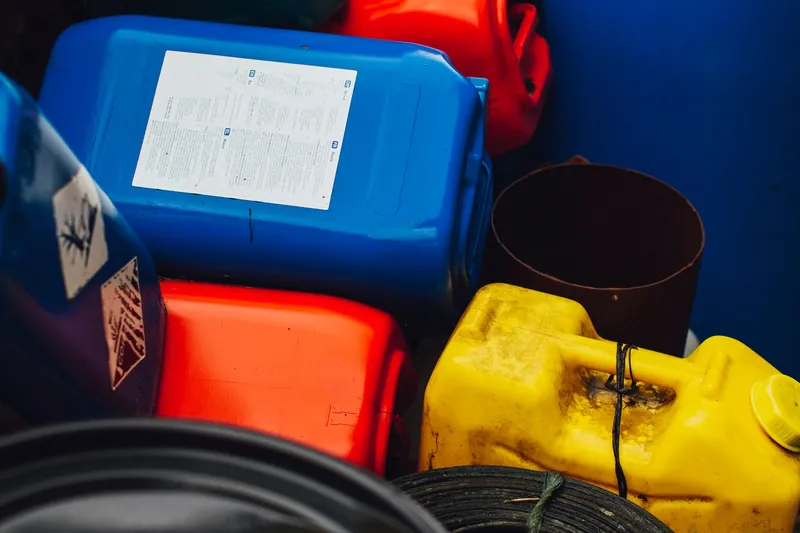
Waste cleanup removes toxic and chemical material for safe disposal.
See chemical and toxic waste cleanup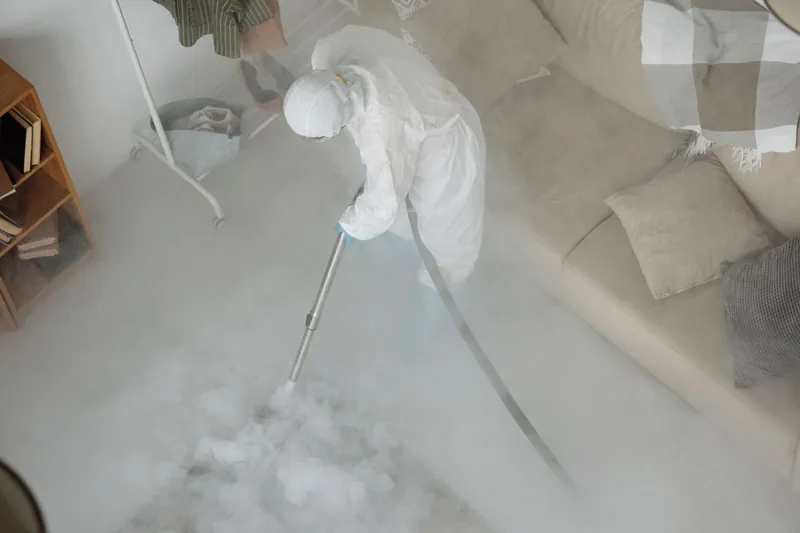
Rooms, surfaces and air receive complete decontamination following infectious or hazardous exposure.
See biohazard decontamination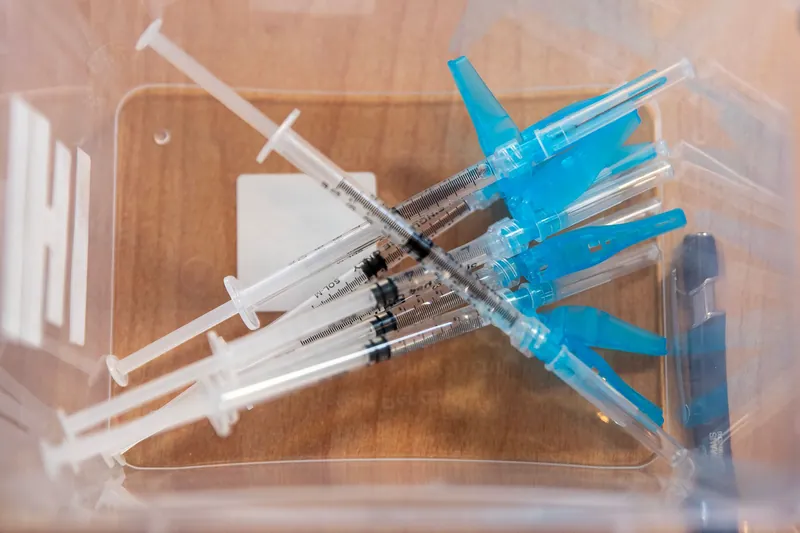
Cleanup removes sharps and needles from parks, rental sites, yards and encampments.
See needle and sharps cleanup
Biohazard cleanup addresses Airbnb accommodations, hotels and other rental units.
See hotel, airbnb and rental biohazard cleanupSmall remediation jobs might require several workdays, but production affecting multiple rooms can extend for several weeks. Laboratory turnaround, porous material removal, cleanup cycles, air-system work and post-remediation tests all influence the schedule. Results exceeding the relevant clearance threshold may require an additional cleanup cycle.
Never treat sight and odor alone as proof that the space can be used. People should return only according to applicable local requirements and documented guidance from the relevant public or environmental authority. You gain objective evidence about any need for further decontamination through post-remediation tests.
Bleach is a disinfectant, not a meth clearance test. Using it does not show how much residue remains, and mixing cleaning products around unknown lab chemicals can be dangerous. The plan should select treatment that fits local standards, the degree of contamination and the type of wall finish.
PushLeads publishes $5,000 to $120,000 as the broad range and reports a typical average of $15,000 to $20,000. Cost depends on the property's size, smoking versus production, HVAC contamination, testing, material removal and required rounds of cleaning or clearance.
Assess every possession according to its construction, physical state, worth and degree of contamination. Some hard, washable belongings may be cleaned. Cleaning can be challenging for porous contents, including carpet, books and upholstery. Decisions to clean, set aside, sample or discard possessions should appear in the work plan.
Cleaning on your own may spread contaminated dust and make the outcome difficult to document. Domestic cleaners cannot quantify contamination or verify that clearance was achieved. Start with professional sampling and the local cleanup standard. A written remediation plan can then identify which surfaces may be cleaned and which materials should be removed.
You can request respectful, discreet meth lab cleanup 24 hours a day, and crews use unmarked vehicles.